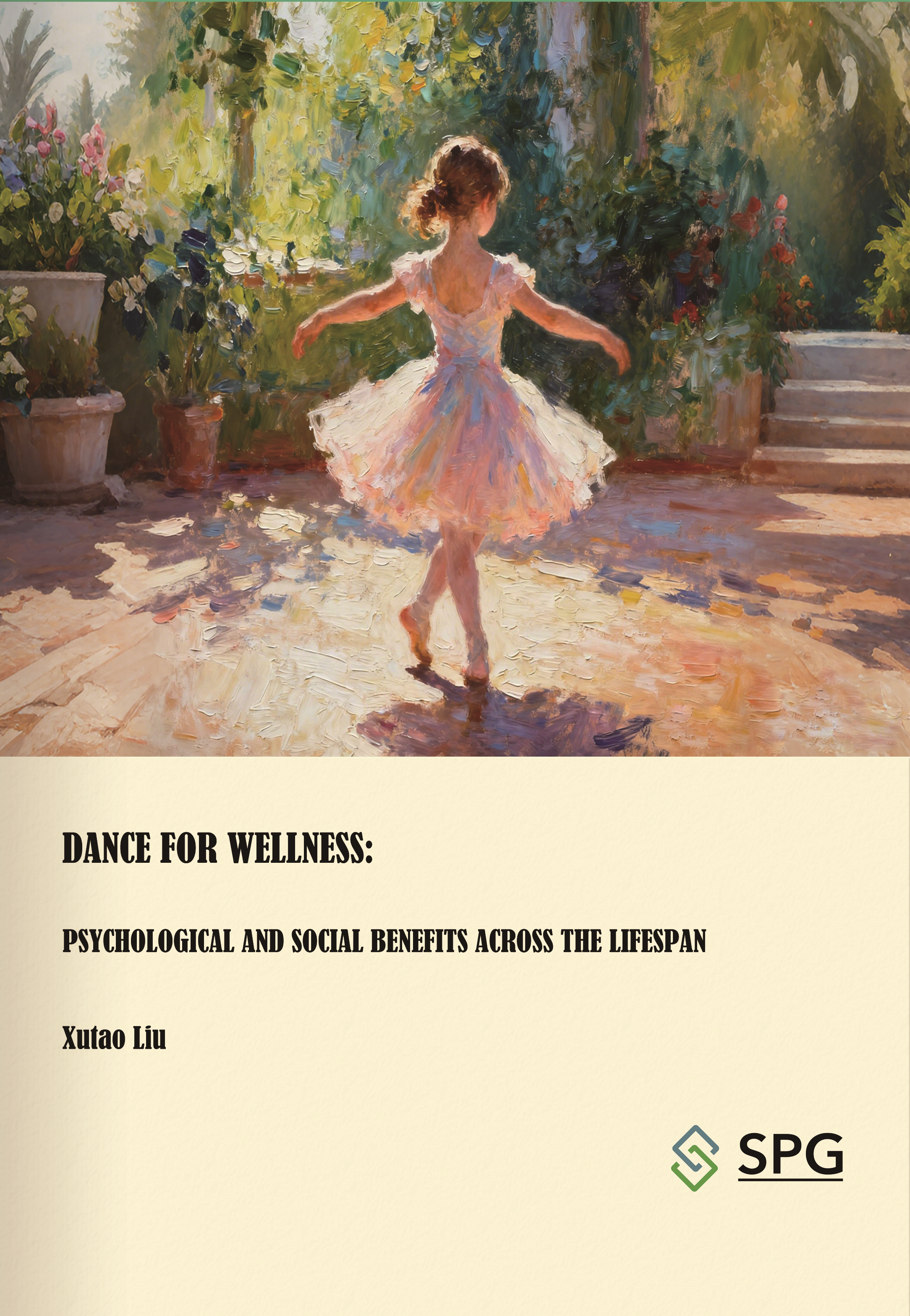
Dance for Wellness: Psychological and Social Benefits Across the Lifespan
Published Date: December 5th 2023
Page Length: 510
Language: English
ISBN: 978-1-80053-552-7
Price: £51.30
Introduction
DOI: 10.38007/978-1-80053-552-7
In recent years, the field of health and well-being has increasingly recognized the central role of the body in shaping emotional experience, social relationships, and psychological development. Movement is not simply a physical action; it is a way of understanding ourselves and relating to others. Dance, in particular, offers an embodied pathway for expression, identity formation, and social connection. Yet dance has often been treated as either an artistic pursuit reserved for the stage or a leisure activity disconnected from deeper human needs.
This book is written in response to a changing global landscape—one in which individuals across cultures are seeking meaningful connection, emotional regulation, and a sense of belonging amid accelerating social and technological shifts. In academic research, dance has emerged as a powerful medium through which individuals can cultivate emotional resilience, develop self-awareness, build supportive social relationships, and enhance holistic well-being. Latin dance, with its grounding in rhythmic vitality, interpersonal attunement, and cultural expressivity, offers a particularly rich context for exploring these themes.
The purpose of this book is to integrate theoretical insights, empirical evidence, and practical applications to explain how dance contributes to psychological and social wellness across diverse life stages. The book draws on interdisciplinary perspectives—including psychology, neuroscience, anthropology, and dance studies—to provide a comprehensive and accessible understanding of dance as a developmental practice. While Latin dance serves as a central case study, the arguments extend to broader forms of embodied learning and expressive movement.